Lesson
Requirements analysis
Create practical QA artifacts that make testing work clear and repeatable.
Learning goals
Understand the concept, identify where it is used, and apply it in a practical QA task.
Theory explanation
Requirements analysis is an essential QA topic. In real teams, QA engineers use it to reduce product risk and make release decisions with better evidence.
Key terms
quality, risk, requirement, expected result, actual result, evidence
Real-world example
A team releases a checkout page. QA checks critical flows, documents issues, and helps the team understand release risk.
Step-by-step explanation
Read the requirement, identify risk, design checks, execute tests, document results, communicate findings.
Common mistakes
Testing without clear expected results, skipping edge cases, and writing vague bug reports.
Practical use case
Create a small QA artifact for a login or checkout flow.
Summary
Use Requirements analysis to make testing structured, clear, and useful for the whole team.
Slides
Slide 1
Requirements analysis: Slide 1
Key point 1: apply Requirements analysis through examples and practice.

Slide 2
Requirements analysis: Slide 2
Key point 2: apply Requirements analysis through examples and practice.
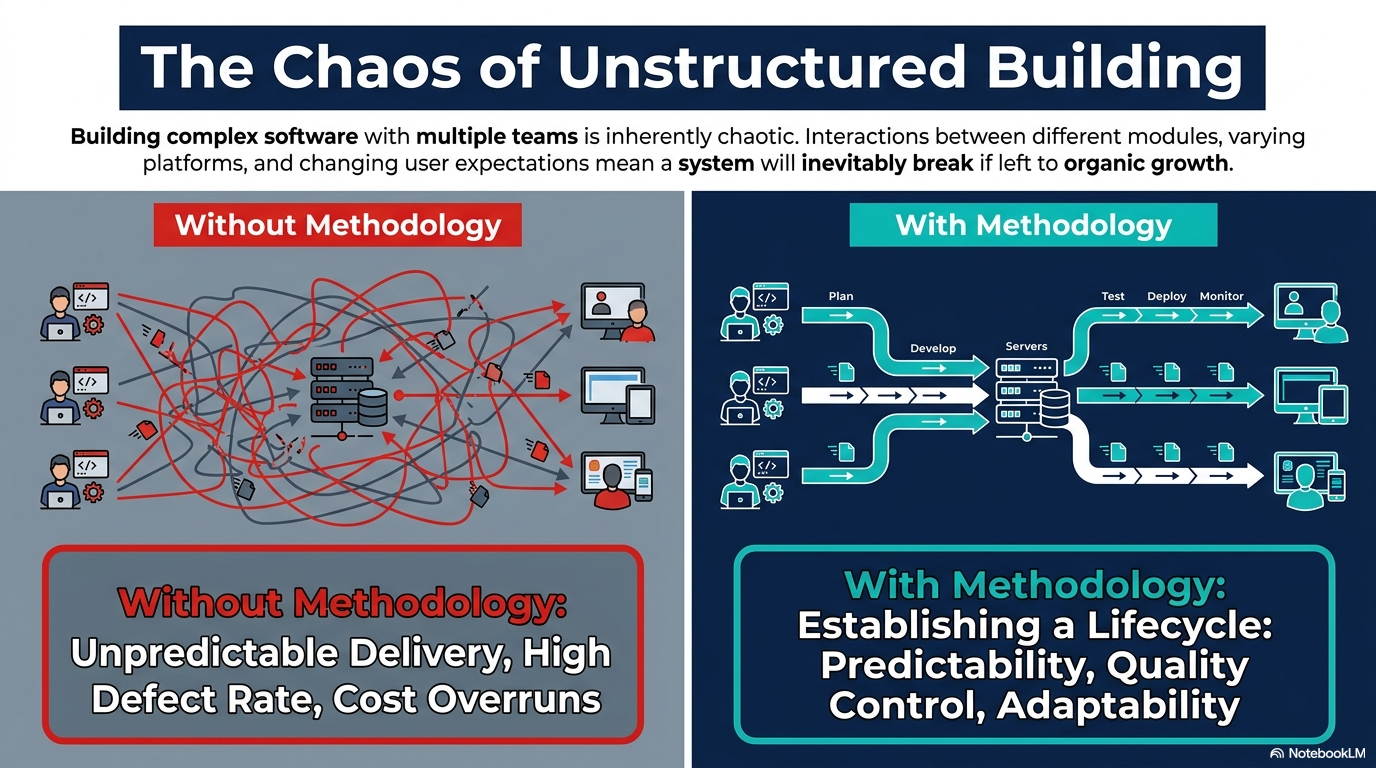
Slide 3
Requirements analysis: Slide 3
Key point 3: apply Requirements analysis through examples and practice.
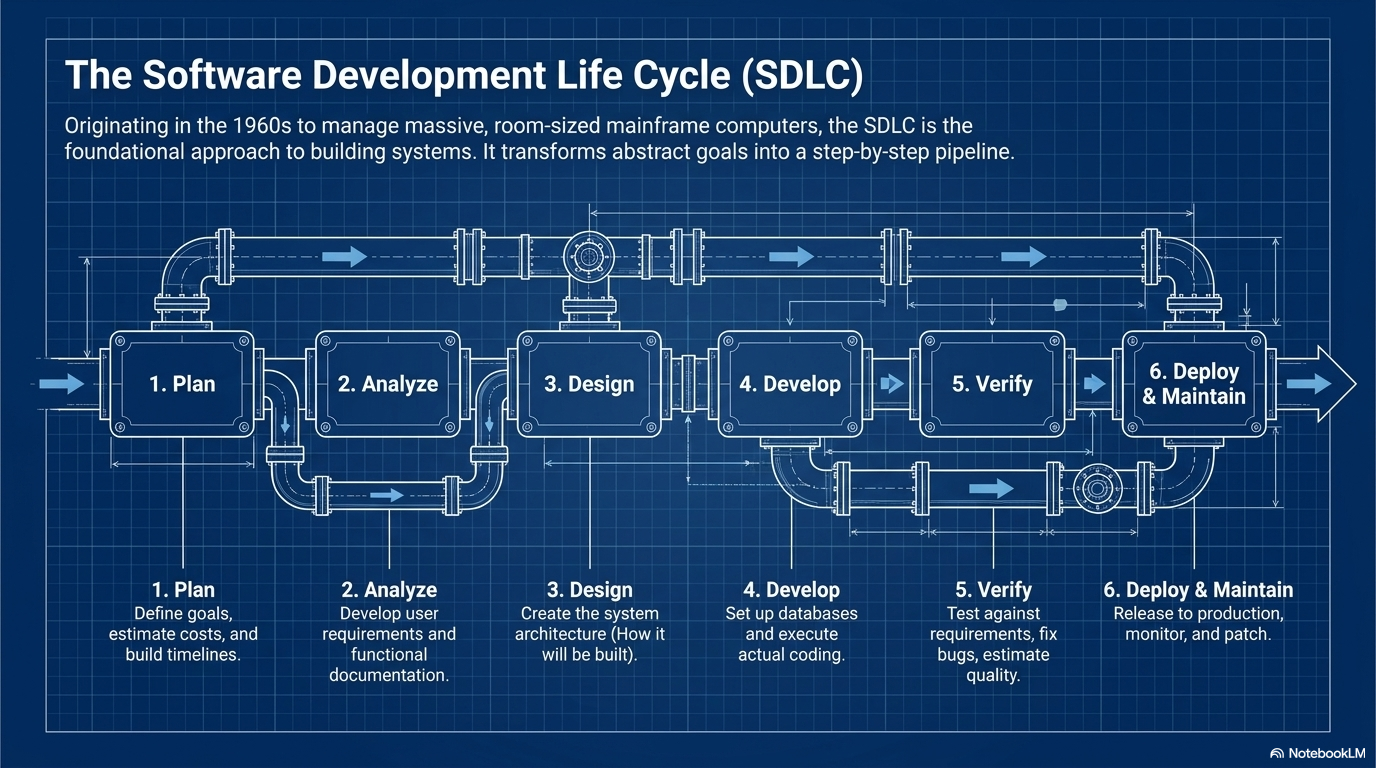
Slide 4
Requirements analysis: Slide 4
Key point 4: apply Requirements analysis through examples and practice.
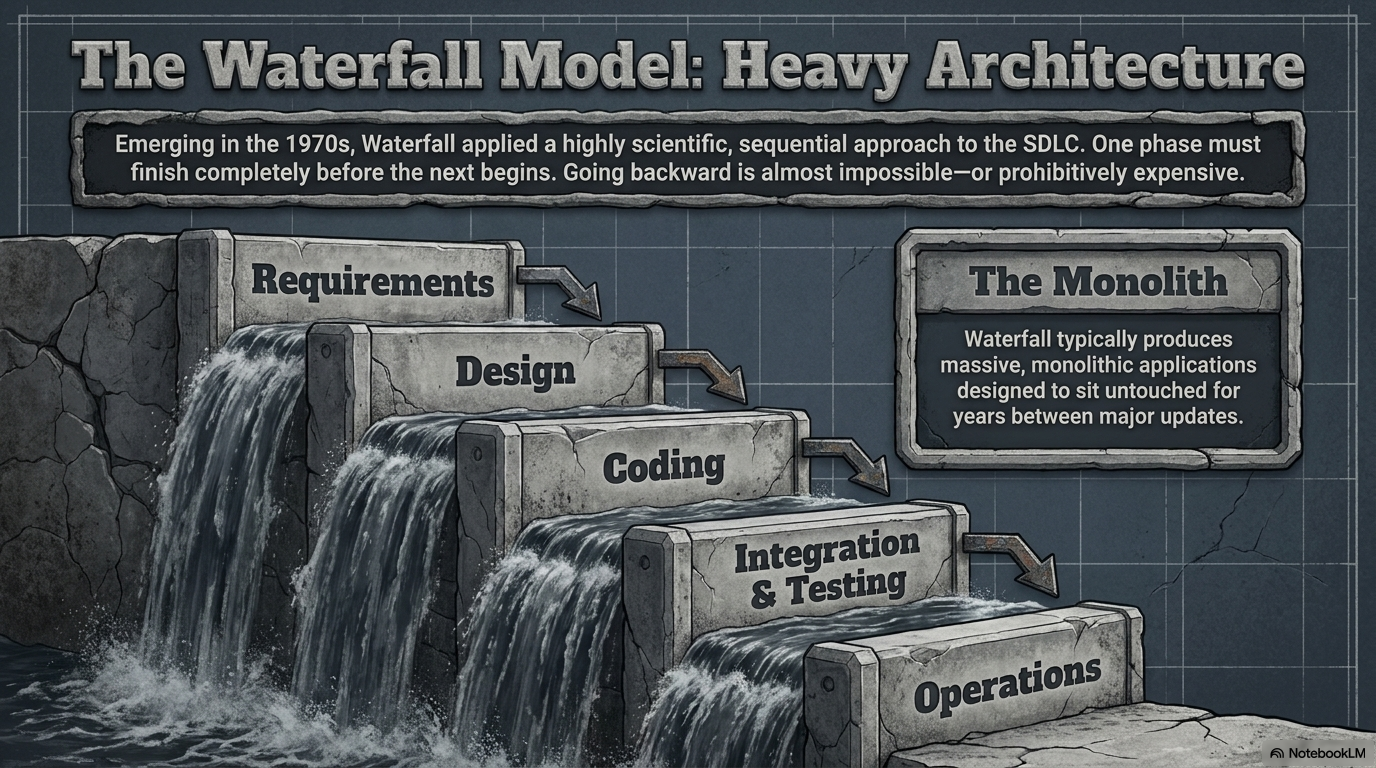
Slide 5
Requirements analysis: Slide 5
Key point 5: apply Requirements analysis through examples and practice.
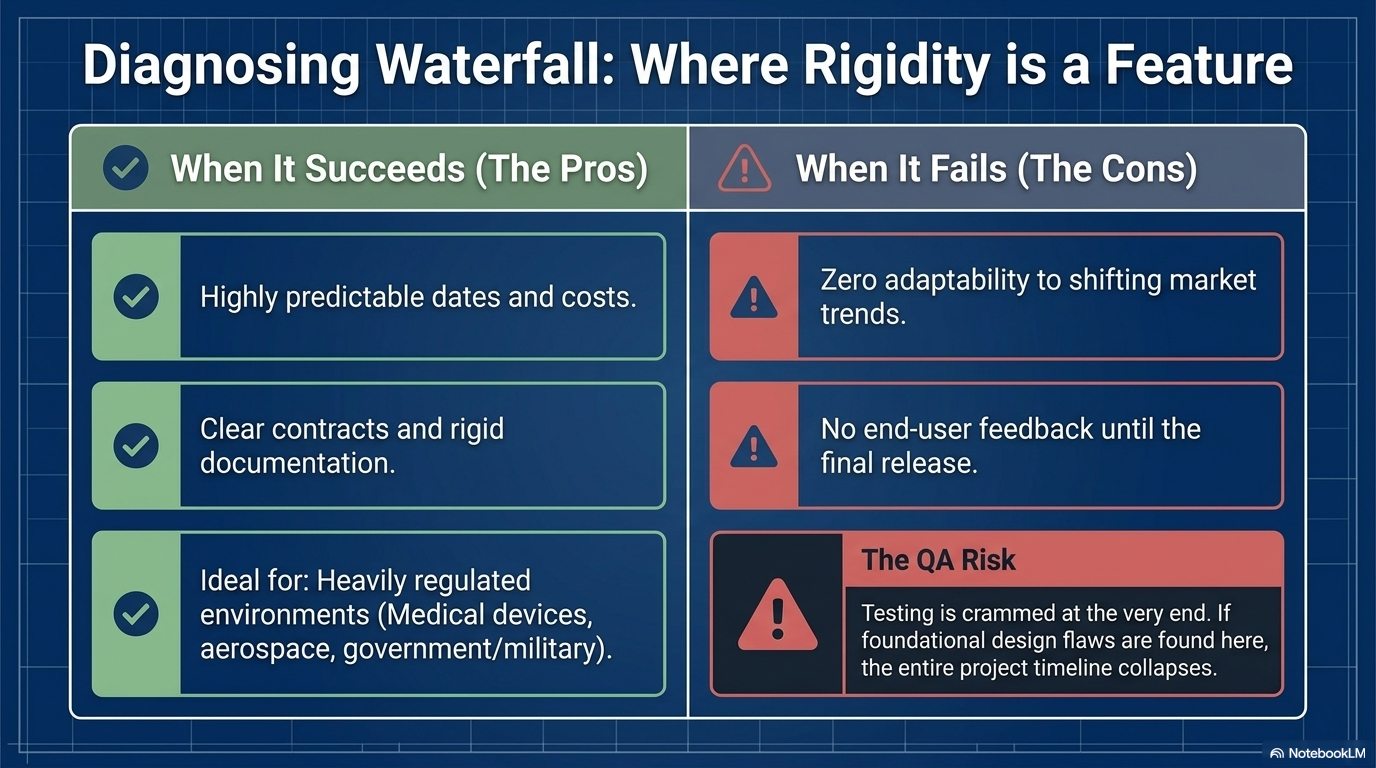
Examples
Real QA example
A team releases a checkout page. QA checks critical flows, documents issues, and helps the team understand release risk.
Traceability matrix: registration flow
Requirement ID | Requirement | Test scenario | Test cases | Priority | Status REQ-REG-01 | User can create an account with valid email and password | Successful registration | TC-REG-001, TC-REG-002 | High | Covered REQ-REG-02 | Email must be unique | Duplicate email validation | TC-REG-003 | High | Covered REQ-REG-03 | Password must follow security rules | Password validation | TC-REG-004, TC-REG-005 | Medium | Covered REQ-REG-04 | User sees a clear error when the server is unavailable | Service error handling | TC-REG-006 | Medium | Needs review How to use it: update the matrix when requirements change, when test cases are added, or when a defect proves that coverage is missing.
Requirement review checklist
1. Is the requirement testable with a clear expected result? 2. Are business rules, validation rules, and edge cases stated? 3. Are roles, permissions, supported platforms, and data limits clear? 4. Are error messages, empty states, and loading states described? 5. Are analytics, emails, notifications, or integrations involved? 6. What risks should be clarified before test design starts?
Interactive Practice
analysis
Your task
Review a short requirement and identify one testing risk related to Requirements analysis.
Expected answer guide
A clear risk with a matching test idea.